
Thinking about moving to either Lucknow or a city in Gujarat like Ahmedabad? Both destinations offer drastically different experiences, cultures, and lifestyles. Let’s break down everything you need to know to make the right choice.
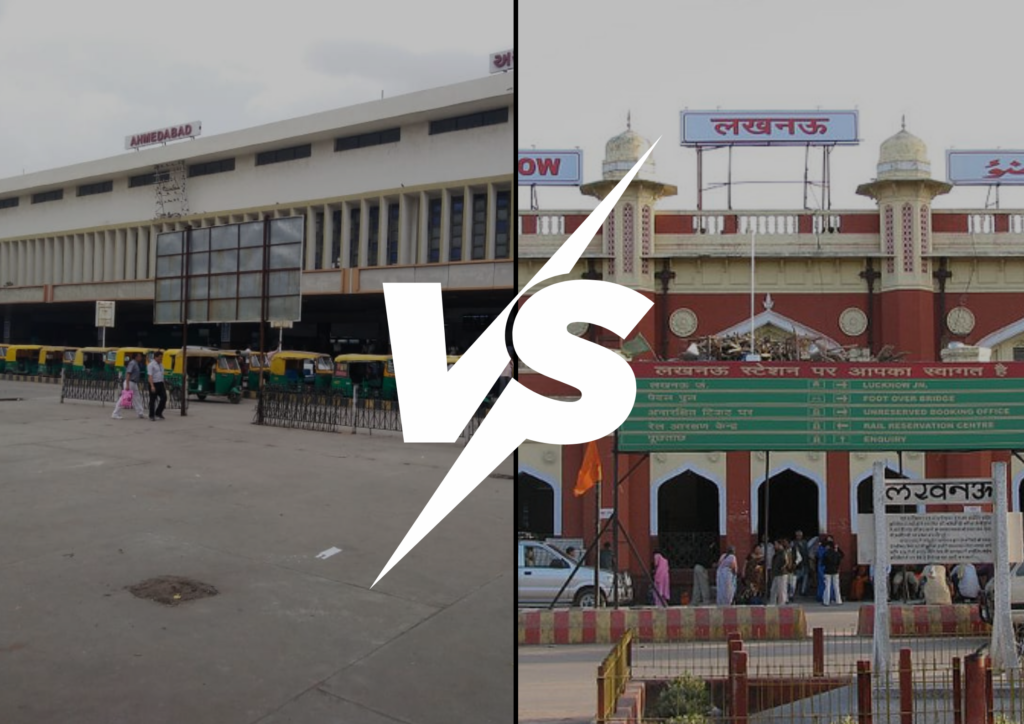
Getting to Know These Cities
Lucknow sits in the heart of Uttar Pradesh as its capital city, home to around 3.2 million people. The city grew from Mughal and Nawabi roots, which still show in every street corner, food stall, and conversation. People here take pride in their manners and language – you’ll hear “pehle aap” (you first) constantly as residents insist on letting others go ahead.
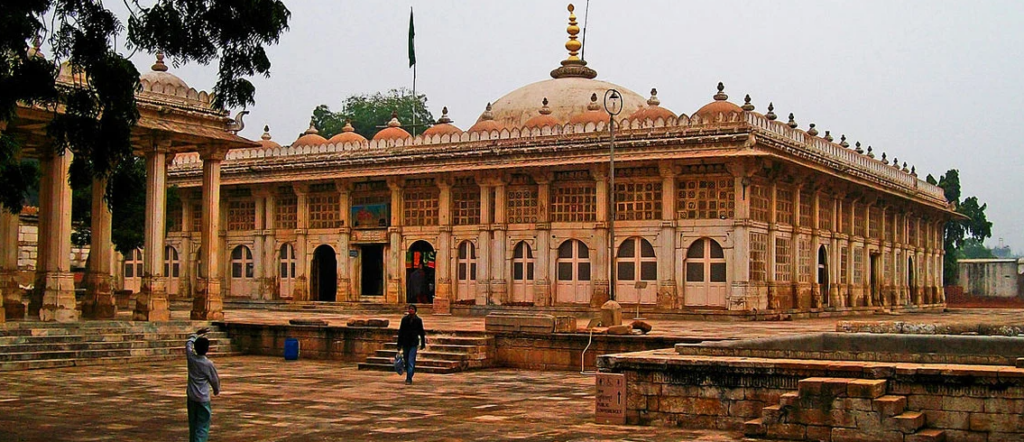
Gujarat isn’t a single city but a whole state on India’s western coast. When people compare it to Lucknow, they usually mean Ahmedabad (population 8.4 million) or sometimes Surat. Ahmedabad became India’s first UNESCO World Heritage City in 2017. The state runs on business – from diamonds in Surat to textiles in Ahmedabad to petrochemicals in Vadodara. Gujaratis have earned a reputation as sharp entrepreneurs who’ve built empires globally.
The contrast hits you immediately. Lucknow moves at a gentler pace where people stop for chai and conversation. Gujarat buzzes with commercial energy where deals happen over breakfast and shops stay open late. One city whispers poetry, the other counts profits – both valid ways to live.
Crime Rates Compared
Safety matters when you’re choosing a new home. Based on recent data from the National Crime Records Bureau, both cities sit below India’s average crime rate of 544 per 100,000 people.
Lucknow records a crime rate of 521 per 100,000 population, which places it below the national city average. The city scored a murder rate of 4.5 per lakh population. Women’s safety shows some concerns with crimes against women recorded at 161.4 per lakh, though conviction rates remain moderate.
Ahmedabad shows a crime rate of 360.1 per 100,000 population, making it considerably safer than Lucknow on paper. The city has built a reputation for being peaceful, though like any major metro, caution still helps. Interestingly, Patna, Lucknow, Ghaziabad and Kanpur recorded no cases of crime against senior citizens during the reporting period.
Both cities are generally safe for daily living, but Ahmedabad edges ahead statistically. Neither should make you overly worried, but sensible precautions always apply – stick to busy areas at night, keep your belongings secure, and stay alert.
Living Costs Breakdown
Your wallet will stretch differently in these two cities. Lucknow clearly wins the affordability contest.
Lucknow Living Expenses
Rental prices for 1BHK apartments range from ₹8,000 to ₹18,000 per month in popular areas like Gomti Nagar, Aliganj, and Indira Nagar. Students and bachelors can find shared accommodations for as low as ₹4,000 per month.

Monthly food expenses run between ₹3,000 to ₹5,000 depending on eating habits. Transportation costs stay remarkably low with public transport fares ranging from ₹10 to ₹50 depending on distance.
The average cost of living for a family of four amounts to approximately ₹93,271.4 excluding rent, while for a single person, it stands at ₹27,610.5. Utilities like electricity for a 1BHK typically cost ₹500 to ₹1,000 monthly.
Gujarat (Ahmedabad) Living Expenses
Gujarat’s cities cost more. Ahmedabad has a cost of living indicated at around ₹42,410 ($505) monthly, while Surat leads at ₹68,000 ($809).
Rental prices for 1 BHK apartments range from ₹7,000 to ₹15,000 per month in popular areas like Satellite, Prahlad Nagar, and Maninagar. Shared apartments start at ₹4,000 per month, similar to Lucknow.
Monthly grocery expenses for a bachelor range from ₹2,500 to ₹4,000. Monthly expenses in Ahmedabad range between ₹10,000 and ₹1,00,000 per month depending on lifestyle.
Bottom line: Lucknow offers more bang for your buck, especially for families and those on tighter budgets. Ahmedabad costs roughly 50% more for comparable lifestyles.
Markets and Local Flavors
Both cities have shopping scenes that reflect their unique cultural DNA.
Lucknow’s Market Culture
Lucknow shopping revolves around three iconic areas: Hazratganj, Chowk, and Aminabad.
Hazratganj Market is one of the oldest markets in Uttar Pradesh and was remodeled after Queen Street in London during British rule. Today it’s the main downtown shopping area with brand stores, cafes, and the famous Janpath bazaar corner where you can bargain for ethnic wear and jewelry.
Chowk buzzes with life. Located just 3 kilometers away from the famous Bada Imambara, Chowk is renowned for traditional goods – chikankari garments, jewelry, handicrafts, ittar (perfumes), and traditional Nagra-styled footwear.
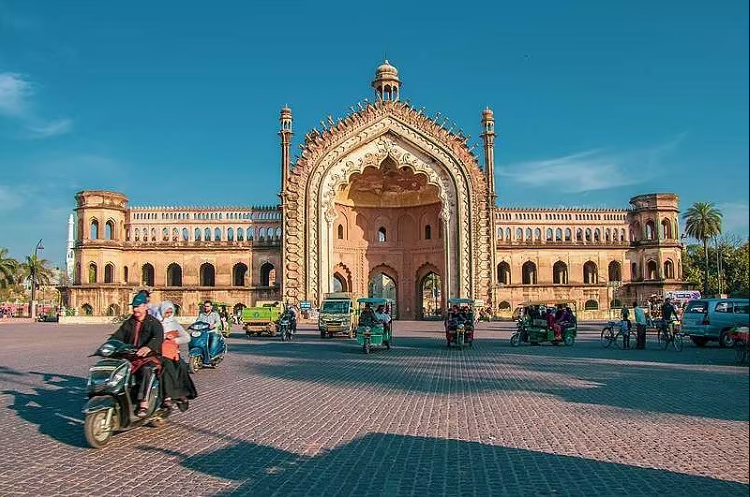
Aminabad deserves special mention. Aminabad came into existence during the Nawab era and got its name from Nawab Imdad Husain Khan Aminuddaulah. The market offers everything from gold jewelry to world famous Lakhnawi chikan dresses at the best prices. Famous shops include Om Prakash Seth, Madan Sarees, and Dupatta Mahal.
Gujarat’s Shopping Experience
Ahmedabad’s shopping centers around Law Garden Night Market, Manek Chowk, and textile wholesale areas.
Law Garden Night Market is one of the most happening night markets famous for vibrant Gujarati fabrics, clothing and antique jewellery. The market comes alive after sunset with stalls selling bandhej sarees (tie and dye sarees), cholis, chaniyas (long traditional embroidered skirts with mirror works) and costume jewellery.
The recommended visit time is between 8:00 PM to 9:00 PM when you can also explore nearby Happy Street. Bargaining is essential – sellers often quote prices 50% higher than they’ll accept.
Both cities excel at shopping, but Lucknow’s markets feel more historic and traditional, while Ahmedabad offers a vibrant, colorful evening shopping experience perfect for Gujarati ethnic wear.
What Each City is Known For?
Lucknow: The City of Nawabs
Lucknow is known as the “City of Nawabs” or the “Constantinople of India”. The city breathes tehzeeb – refined manners and etiquette that define its residents.
Food culture dominates Lucknow’s identity. The Galouti kebabs were created for a toothless Nawab and use meat from the mutton leg ground thrice. Tunday Kebabi’s oldest shop remains in Chowk where kebabs cost just 5 rupees a piece.
Chikankari embroidery puts Lucknow on the world map. This fine art of hand embroidery using white colored untwisted yarn serves as the main income generating activity for as many as 5000 families in Lucknow. The craft was either brought by Nawabs from Dhaka in the 18th century or introduced by Queen Noorjahan.
Architecture tells stories everywhere you look. The Bara Imambara features one of the largest halls in the world built without supporting beams. The Rumi Darwaza, modeled after an Ottoman gateway, has become the city’s unofficial symbol.
Ahmedabad/Gujarat: Textile Capital and Gandhi’s Home
Ahmedabad is widely known as the textile hub of India and earned the nickname “Manchester of India” during British rule.
Sabarmati Ashram is one of the residencies of Mahatma Gandhi where he lived for twelve long years during India’s freedom struggle. The ashram now operates as a museum with thousands of daily visitors.
The diamond and textile industries define Gujarat’s economy. Surat is referred to as the “Silk City” and “Diamond City” and is renowned for its diamond and textile sectors.
Food here takes a different route – pure vegetarian with sweet-savory combinations. Dhokla, khandvi, undhiyu, and the famous fafda-jalebi breakfast combo rule the streets. The Law Garden Night Market offers street food like pani puri, sev tamatar nu shaak, and pav bhaji.
Cultural festivals reach fever pitch during Navratri when the entire city dances garba for nine nights straight. This celebration of devotion through dance creates an energy unmatched anywhere else in India.
Infrastructure and Connectivity
Lucknow has improved dramatically with metro connectivity, a renovated railway station, and the Chaudhary Charan Singh International Airport. The city spreads across both banks of the Gomti River with better-planned newer areas like Gomti Nagar contrasting with the maze-like old city.
Ahmedabad boasts superior infrastructure. The BRTS (Bus Rapid Transit System) works efficiently. The Sardar Vallabhbhai Patel International Airport connects globally. Local buses and auto-rickshaws form the backbone of the city’s public transit system with single tickets at ₹35.25 and monthly passes at ₹728.72.
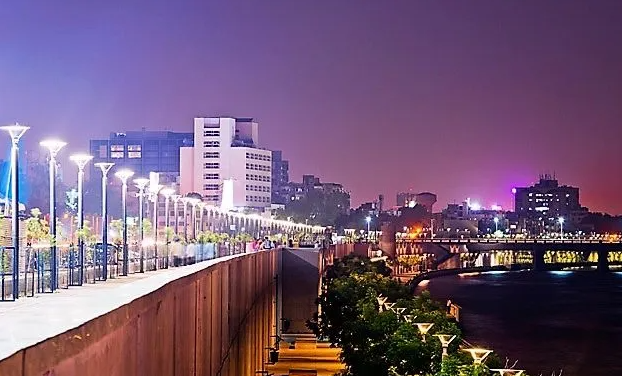
The Sabarmati Riverfront Development project transformed the city’s landscape, creating parks, promenades, and cultural centers along the river. This modern infrastructure combined with UNESCO World Heritage status for old Ahmedabad creates a unique blend.
Climate Considerations
Lucknow experiences extreme weather. Summers hit brutal temperatures up to 45°C in May-June, while winters can drop to 3°C. Monsoons bring relief but also humidity. The best months are October through March when temperatures stay pleasant.
Ahmedabad similarly faces scorching summers reaching 45°C+. However, the heat feels drier. Winters remain mild and pleasant. Gujarat’s coastal areas offer relief that landlocked Lucknow lacks.
Job Markets and Economic Opportunities
Lucknow’s economy centers on government jobs, education, IT services, and retail. As the capital of India’s most populous state, bureaucratic opportunities abound. The city has seen IT growth but remains behind major tech hubs.

Ahmedabad and Gujarat lead in entrepreneurship, manufacturing, textiles, pharmaceuticals, and chemicals. The state hosts India’s first Special Economic Zone, attracting major industries. Startups thrive here with supportive policies and funding availability.
Salary levels run higher in Ahmedabad. Employees in Ahmedabad earn around ₹19.2 lakhs on average. Lucknow salaries lag behind but the lower cost of living balances things out.
Language and Communication
Lucknow speaks Hindi with an Urdu influence that creates a uniquely poetic local dialect. English works fine in modern areas, but knowing Hindi helps significantly.
Ahmedabad and Gujarat speak Gujarati as the primary language. English and Hindi are extremely spoken, and non-Gujaratis can easily manage on their own. Business often happens in Gujarati, so learning basics helps integration.
Questions People Usually Ask
Which city is better for students?
Lucknow takes this one for most students. The cost of living stays much lower – hostels and PGs start at ₹4,000 monthly compared to similar options in Ahmedabad. Lucknow has excellent universities like Lucknow University, KGMU for medical studies, and IIM Lucknow nearby. Food costs less, and you can eat amazing biryanis and kebabs on a tight budget. Ahmedabad has good colleges too (IIM Ahmedabad, CEPT University) but everything costs 50% more. If you’re studying business or design, Ahmedabad’s entrepreneurial environment might be worth the extra expense.
Can I survive as a vegetarian in Lucknow?
Absolutely, but you’ll miss out on what makes the city special. Lucknow has plenty of vegetarian restaurants and options – paneer dishes, dal, sabzi, chaat varieties, and sweets are everywhere. But Lucknow’s soul lives in its kebabs, biryani, and nihari. You can survive, but you might feel left out when everyone raves about Tunday Kebabi. Gujarat, meanwhile, is a vegetarian paradise where even eggs are hard to find. Many restaurants don’t even serve onion and garlic.
Which city has better job opportunities?
Gujarat wins for private sector jobs, especially in manufacturing, textiles, pharmaceuticals, chemicals, and entrepreneurship. Ahmedabad and Surat have thriving startup scenes and industrial growth. Average salaries run higher at ₹19.2 lakhs. Lucknow dominates in government jobs since it’s the state capital – if you’re preparing for UPSC, state services, or want bureaucratic careers, Lucknow offers more opportunities. IT jobs exist in both but neither competes with Bangalore or Pune.
How do healthcare facilities compare?
Both cities have solid healthcare. Lucknow has SGPGI (Sanjay Gandhi Post Graduate Institute), KGMU Hospital, Medanta, and several private hospitals. Ahmedabad has civil hospital, Sterling Hospital, Apollo, and Zydus Hospitals. Medical costs run slightly lower in Lucknow. For specialized treatments, both cities have quality options, though Delhi remains closer to Lucknow for super-specialty needs.
What about pollution levels?
Neither city scores well on air quality. Lucknow regularly ranks among India’s most polluted cities, especially during winter when stubble burning in surrounding areas worsens conditions. AQI levels often hit 300+ (very poor to severe). Ahmedabad also faces pollution but slightly better than Lucknow – industrial emissions and traffic create problems but at least there’s no stubble burning factor. Coastal breezes help somewhat. If clean air matters to you, both cities will disappoint compared to smaller towns.
Is nightlife better in one city?
Ahmedabad has more happening nightlife than Lucknow, though neither compares to Mumbai or Bangalore. Ahmedabad has clubs, pubs, late-night cafes, and the famous Manek Chowk food market that operates until 2 AM. Law Garden Night Market buzzes till 11 PM. Lucknow shuts down earlier – most restaurants close by 11 PM, and there are fewer pubs and clubs. However, Lucknow’s late-night food scene (kebab joints, chaat corners) has its own charm even if it’s not club culture.
Which city is more welcoming to outsiders?
Lucknow is famous for its hospitality – the tehzeeb extends to everyone. People will go out of their way to help you find directions, recommend good food spots, and make you feel comfortable. Hindi helps a lot since Urdu-influenced Hindi is the local language. Ahmedabad and Gujarat are friendly too, especially in business contexts. Gujaratis love networking and making connections. The language barrier exists – learning basic Gujarati helps. Both cities welcome outsiders well, but Lucknow’s legendary politeness gives it a slight edge.
What about dating and social life for young professionals?
Ahmedabad offers more options for young professionals. The city has modern cafes, restaurants, shopping malls, and cultural events. Dating culture exists more openly, though Gujarat remains socially conservative compared to metros. Lucknow is more traditional – public displays of affection draw stares, and dating happens but quietly. Cafes and parks exist for couples, but social conservatism runs deeper. If you want a more liberal, cosmopolitan environment, Ahmedabad edges ahead despite Gujarat’s overall conservative culture.

How easy is it to travel from these cities?
Both cities connect well to the rest of India. Lucknow’s Chaudhary Charan Singh Airport has flights to major cities, and the railway station links everywhere. Delhi is just 6-7 hours by train, making weekend trips easy. Ahmedabad’s airport is busier with more international connections. Mumbai sits 8-9 hours away by train. Gujarat’s position on the coast and industrial importance means better connectivity overall. Road trips to Rajasthan, Goa, or Maharashtra work better from Ahmedabad.
Which city is safer for women?
Both cities require normal precautions. Statistics show Ahmedabad has lower overall crime rates. Lucknow recorded higher crimes against women (161.4 per lakh) compared to the national average. That said, thousands of women live, work, and study safely in both cities. Avoid isolated areas after dark, use trusted transportation, and stay alert – standard advice for any Indian city. Family-oriented neighborhoods in both cities feel very safe. Neither city should make you overly worried, but Gujarat’s numbers look better on paper.
Making Your Choice
Choose Lucknow if you value:
- Lower living costs
- Rich Mughal/Nawabi heritage
- Amazing non-vegetarian cuisine
- Traditional North Indian culture
- Government job opportunities
- A slower, more relaxed pace
Choose Gujarat (Ahmedabad/Surat) if you prefer:
- Strong business and entrepreneurial environment
- Vibrant Gujarati culture and festivals
- Better infrastructure
- Vegetarian culinary paradise
- Higher salary potential
- Dynamic, energetic city life
Both destinations offer genuine Indian experiences with their own flavors. Lucknow charms with grace and history, while Gujarat energizes with commerce and color. Your priorities – whether cost, culture, career, or cuisine – should guide your decision.
Visit both before deciding if possible. Walk Hazratganj in Lucknow at sunset, try the kebabs, and feel the tehzeeb. Then dance garba in Ahmedabad, bargain at Law Garden, and taste the dhokla. Your gut will tell you which city feels like home.