
Have you ever visited a place that made you proud of your country? A place where you can learn about great leaders and their sacrifices? Well, Lucknow now has such a beautiful spot called Rashtra Prerna Sthal.
What Exactly Is Rashtra Prerna Sthal?
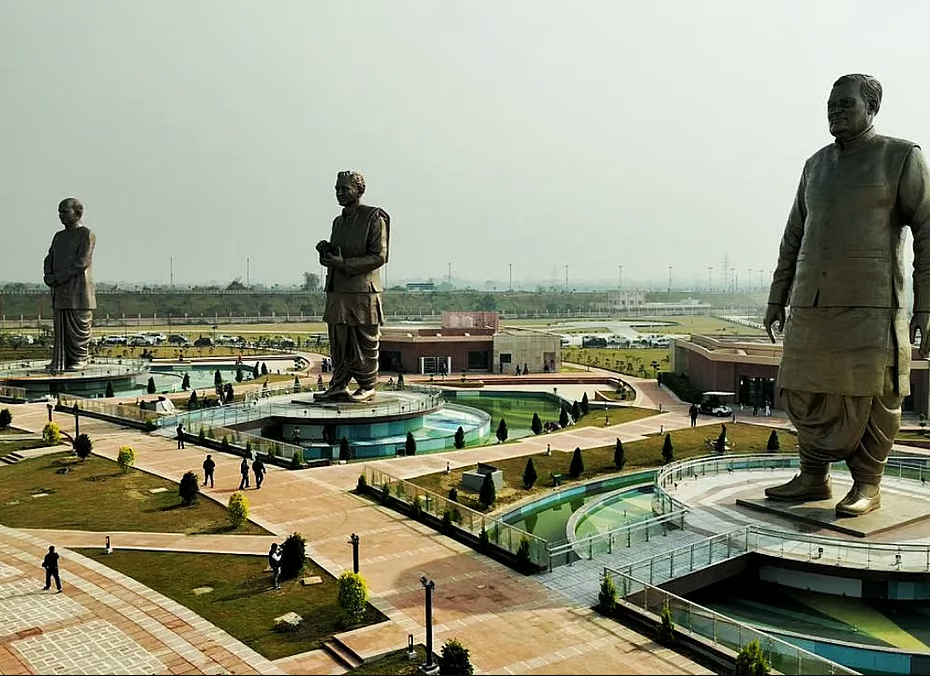
Rashtra Prerna Sthal is a big memorial—you can think of it as a special place built to remember and honour three great Indian leaders. It’s spread across 65 acres of land, which is really huge! Just imagine a space bigger than 50 football fields put together.
The place got its name from two Hindi words. “Rashtra” means nation, and “Prerna” means inspiration. So basically, it’s a place that inspires people about their nation and country.
When Did It Open?
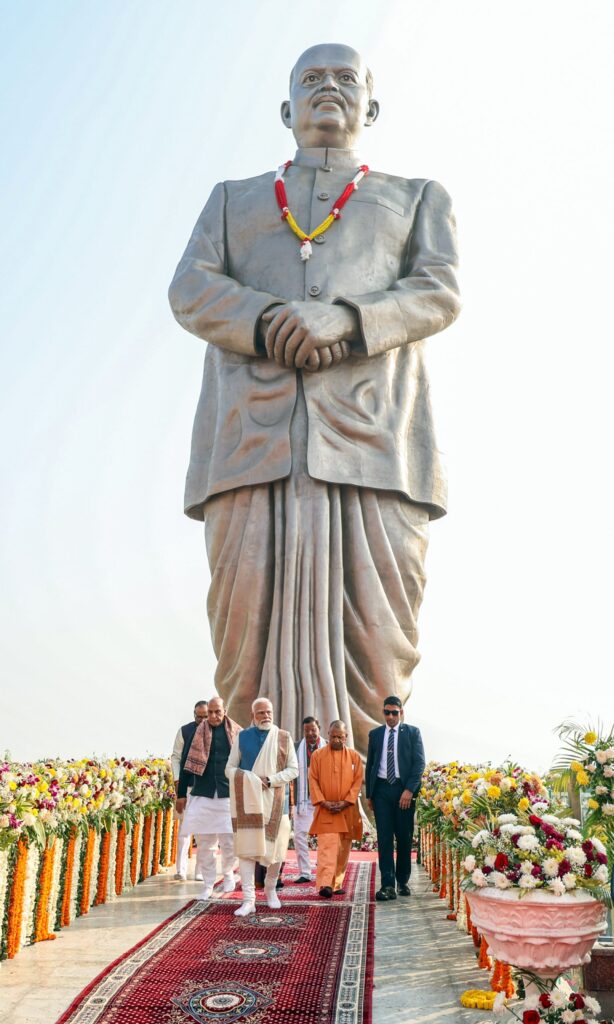
Prime Minister Narendra Modi opened Rashtra Prerna Sthal on December 25, 2025. This date was specially chosen because it was the 101st birth anniversary of Atal Bihari Vajpayee, who was a former Prime Minister of India. It was also Christmas day, so the Prime Minister wished everyone celebrating the festival too.
The place is located in the Vasant Kunj area of Lucknow, on Hardoi Road. Earlier, this land was actually a garbage dump for more than 30 years! Can you believe that? The government cleaned up this mess and turned it into something beautiful and meaningful.
Who Came to the Opening?
It was quite a big event! Along with Prime Minister Modi, several important people were there:
- Rajnath Singh (Defence Minister and Member of Parliament from Lucknow)
- Anandiben Patel (Governor of Uttar Pradesh)
- Yogi Adityanath (Chief Minister of Uttar Pradesh)
- Many other senior government leaders
Around 2 lakh people from nearby districts were invited to attend this opening ceremony. People were waving the Indian flag and cheering when the Prime Minister arrived.
What’s There Inside?
Rashtra Prerna Sthal has several interesting things to see:
Three Giant Statues
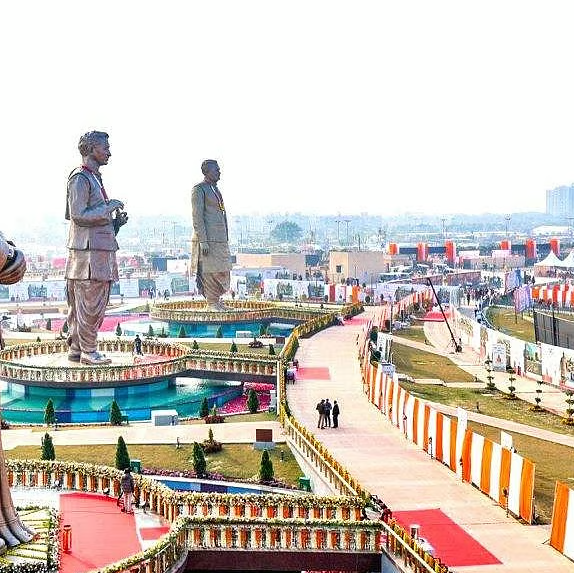
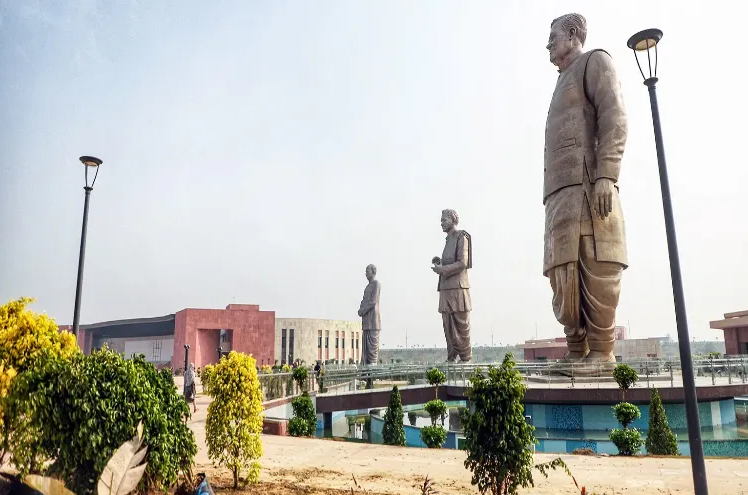
The most eye-catching thing you’ll see are three massive bronze statues. Each statue is 65 feet tall—that’s as high as a 6-story building! Each statue weighs about 42 tons, which is as heavy as about 8 elephants put together.
These statues are of:
- Dr. Syama Prasad Mookerjee – from 1901 to 1953
- Pandit Deendayal Upadhyaya – from 1916 to 1968
- Atal Bihari Vajpayee – from 1924 to 2018
All three statues are placed on platforms surrounded by water, which makes them look even more impressive.
A Museum Shaped Like a Lotus
There’s a modern museum built in the shape of a lotus flower. The lotus is India’s national flower and also represents purity and strength in Indian culture. This museum is huge—it covers 98,000 square feet and has two floors.
Inside the museum, you’ll find:
- Five different galleries
- Twelve interpretation walls (these are like big displays that explain things)
- Audio-visual shows using the latest technology
- Digital displays that tell you about India’s journey as a nation
- Information about the lives and work of these three leaders
- Interactive screens where you can learn more
The museum uses modern technology to make learning fun and interesting. It’s not just boring text on walls—there are videos, sounds, and digital screens that make you feel like you’re part of the story.
Other Facilities
The place also has:
- Beautiful gardens and green spaces
- Walking paths where you can take a stroll
- Seating areas where you can sit and relax
- A helipad (a place where helicopters can land)
- Parking space for visitors
- An open-air theatre
- Places where you can host events
- Food areas (cafeteria)
- Gates for entry
- Places for flag hoisting during national occasions
How Much Did It Cost?
The whole project cost around ₹230 crore to ₹232 crore (different sources mention slightly different amounts). The work started in 2022, and it took about three years to complete. The Lucknow Development Authority (LDA) handled the construction.
Can Anyone Visit? What About Entry Fee?
Good news—the place is open for everyone to visit! People can enter through four different gates. However, as of now, the exact timings haven’t been announced officially. Some reports say it’s ready for visitors, but the daily opening and closing hours are still being finalized.
As for the ticket price, there’s no clear information available yet. Most likely, it will be free or have a very small entry fee so that everyone can visit. You should check with local tourism offices or the LDA website before planning your visit.
Who Were These Three Leaders? Why Are They Important?
You might be wondering—who are these three people, and why did the government build such a big memorial for them? Let me tell you about each one in simple words.
Dr. Syama Prasad Mookerjee (1901-1953)
Dr. Mookerjee was born in Kolkata (then called Calcutta) on July 6, 1901. His father was a famous judge and teacher. Dr. Mookerjee was brilliant in his studies. He became the youngest Vice-Chancellor (head) of Calcutta University at just 33 years old!
He was also very involved in politics. First, he worked with the Indian National Congress, but later he had different ideas about how India should be run. He became the president of the Hindu Mahasabha, a political organization.
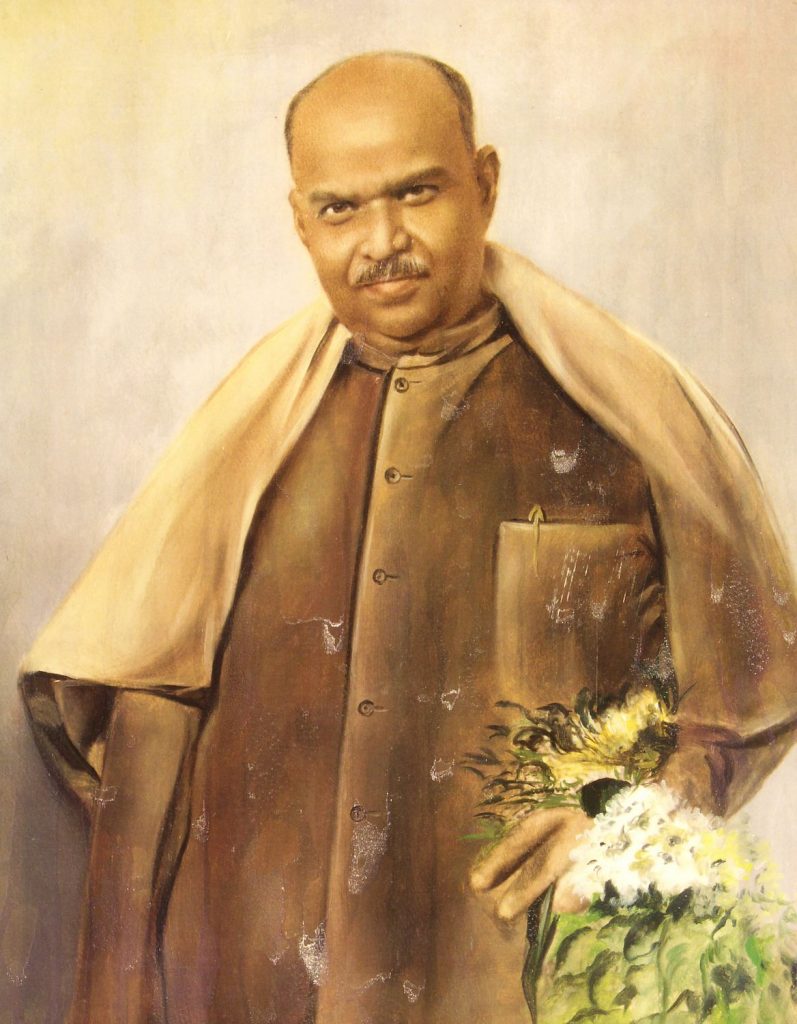
After India became independent in 1947, he became India’s first Minister of Industry and Supply under Prime Minister Nehru. But he resigned in 1950 because he didn’t agree with some of the government’s policies, especially the deal made with Pakistan.
In 1951, Dr. Mookerjee started a new political party called Bharatiya Jana Sangh (BJS). This party later became what we now know as the Bharatiya Janata Party (BJP).
Dr. Mookerjee was very concerned about Kashmir. He strongly opposed Article 370 of the Indian Constitution, which gave special status to Jammu and Kashmir. He famously said, “One country cannot have two constitutions, two prime ministers, and two flags.” He believed all parts of India should have the same rules and rights.
In 1953, he went to Kashmir to protest against this special status. He was arrested on May 11, 1953. Sadly, he died in custody on June 23, 1953, under mysterious circumstances. He was only 52 years old. Many people believe he gave his life fighting for India’s unity.
Pandit Deendayal Upadhyaya (1916-1968)
Pandit Deendayal Upadhyaya was born on September 25, 1916, in a village near Mathura in Uttar Pradesh. His parents died when he was just eight years old, so he was raised by his uncle and aunt.
He was a very good student and received many awards for his studies. However, he couldn’t complete his master’s degree because he got involved in the independence movement and social work.
Deendayal ji joined the RSS (Rashtriya Swayamsevak Sangh) and worked on spreading ideas about Indian culture and nationalism. He started a monthly magazine called “Rashtra Dharma” in the 1940s.
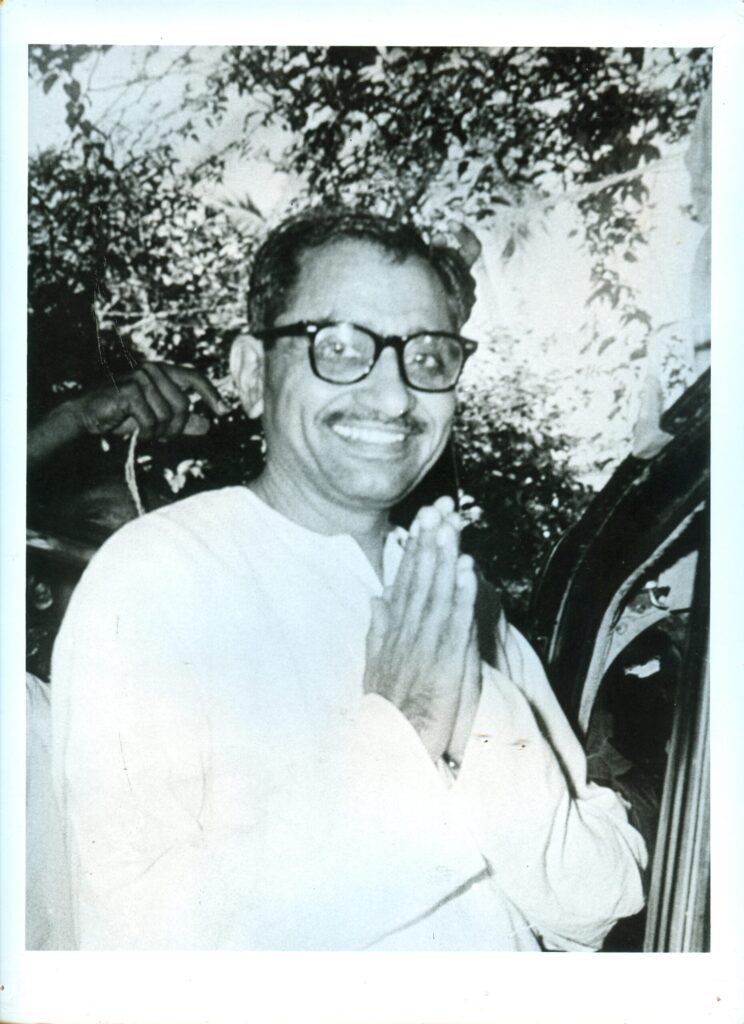
When Dr. Mookerjee founded the Bharatiya Jana Sangh in 1951, Deendayal ji became its General Secretary. For 15 years, he worked hard to build and organize the party. He was the brain behind the party’s political thinking.
Deendayal ji developed an idea called “Integral Humanism.” This was his vision for how India should develop. He believed that India’s progress should be based on Indian culture and values, not just copying Western ideas. He talked about “Antyodaya”—which means taking care of the last person in line, the poorest and most helpless person in society.
Sadly, he died on February 11, 1968, in mysterious circumstances. His body was found near a railway track. He was only 51 years old. His death remains a mystery even today.
Atal Bihari Vajpayee (1924-2018)
Atal Bihari Vajpayee was born on December 25, 1924, in Gwalior, Madhya Pradesh. He was not just a politician—he was also a poet and wrote beautiful Hindi poems. He is remembered as one of India’s greatest leaders.
Vajpayee ji started his political journey young. He joined the RSS when he was just 12 years old in 1939. Later, he worked with both Dr. Mookerjee and Pandit Deendayal Upadhyaya to build the Bharatiya Jana Sangh.
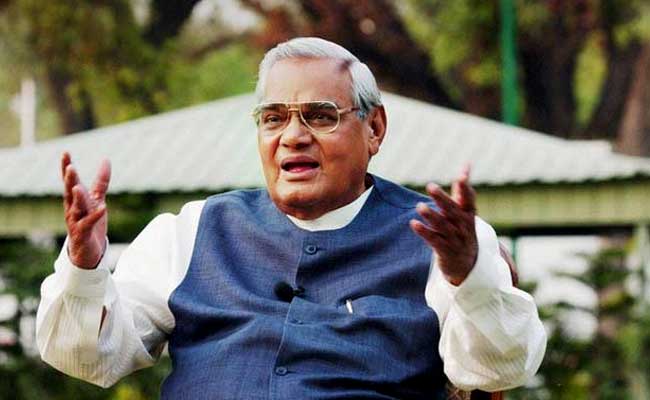
He became famous for his amazing speaking skills. Even Jawaharlal Nehru, India’s first Prime Minister, was impressed by him. Nehru once said that Vajpayee would one day become Prime Minister—and he was right!
Vajpayee ji was elected to Parliament many times. He represented Lucknow in the Lok Sabha for several terms, which is why people in Lucknow have a special connection with him.
He became Prime Minister three times:
- First for just 13 days in 1996
- Then for 13 months from 1998-1999
- Finally, he served a full term from 1999 to 2004
He was the first non-Congress Prime Minister to complete a full five-year term. During his time as PM, India conducted nuclear tests in 1998, which made India a nuclear power. He also tried to improve relations with Pakistan and worked on building better roads and highways across India.
Vajpayee ji received India’s highest civilian award, the Bharat Ratna, in 2015. He passed away on August 16, 2018, at the age of 93. The whole nation mourned his death.
Why Was This Memorial Built?
The government built Rashtra Prerna Sthal for several reasons:
- To Remember Great Leaders: These three men played huge roles in shaping India after independence. They worked hard for India’s unity and development.
- To Inspire Young People: By learning about these leaders, young Indians can feel inspired to serve their country too.
- To Teach About India’s Political History: The museum helps people learn about how India’s political parties and ideas developed after independence.
- To Promote Unity: All three leaders believed strongly in “One India”—they wanted all parts of India to be united and follow the same laws.
- To Preserve Their Legacy: Future generations will be able to learn about these leaders and their ideas.
What Did Leaders Say at the Opening?
When Prime Minister Modi opened the memorial, he talked about how these three leaders showed India the path of self-respect, unity, and service. He said their ideas continue to inspire the nation even today.
Chief Minister Yogi Adityanath mentioned how each leader had a special vision:
- Dr. Mookerjee wanted “One nation, one constitution, one flag, one head”—and today we can see this vision coming true
- Pandit Deendayal wanted progress for the poorest people in society
- Atal ji gave India a vision of good governance and development
The Prime Minister also praised how Uttar Pradesh has changed. He said that once people only talked about UP’s law and order problems, but now they talk about its development and progress. He mentioned how places like the Ram Temple in Ayodhya and Kashi Vishwanath in Varanasi have become symbols of India’s cultural revival.
Special Things About This Place
A few things make Rashtra Prerna Sthal really special:
From Garbage to Glory: The land where this memorial stands was a huge garbage dump for over 30 years. More than 30 acres were covered with waste. The government cleaned it all up in the last three years and created this beautiful space. It’s a great example of how dedication can transform even the worst places.
Lotus Design: The whole complex is designed in the shape of a lotus when you see it from above. The museum is also lotus-shaped. This connects the memorial to Indian culture and values.
Modern Technology: The museum doesn’t have old-fashioned displays. It uses the latest digital technology, touch screens, audio-visual shows, and interactive displays. This makes learning fun, especially for children and young people.
Size and Scale: With 65 acres of space, it’s one of the biggest memorial complexes in India. The giant statues are taller than most buildings in regular neighborhoods.
Educational Hub: It’s not just a memorial—it’s meant to be an educational place where schools can bring students to learn about India’s political history, where researchers can study, and where events and programs can be organized.
How to Reach There?
Rashtra Prerna Sthal is located in Vasant Kunj, Lucknow, on Hardoi Road. You can reach there by:
By Air: The nearest airport is Chaudhary Charan Singh International Airport, Lucknow, which is about 20 km away.
By Train: Lucknow Junction railway station is the nearest, about 13 km from the memorial.
By Road: You can take a taxi, auto-rickshaw, or city bus from any part of Lucknow. The place is well-connected by roads.
What to Expect During Your Visit?
When you visit Rashtra Prerna Sthal, you can:
- Take photos with the huge statues in the background
- Walk through the gardens and enjoy the green spaces
- Visit the museum and learn about these leaders through interactive displays
- Spend time reading about India’s political journey
- Attend any special events or programs if they’re happening
- Relax in the peaceful environment
It’s a great place for:
- School and college students on educational trips
- Families who want to teach their children about Indian history
- History lovers and researchers
- Tourists visiting Lucknow
- Anyone who wants to feel inspired about India
Things Nearby
If you’re visiting Rashtra Prerna Sthal, you can also explore other famous places in Lucknow:
- Bara Imambara – A historic monument
- Chota Imambara – Known for its beautiful architecture
- Lucknow Zoo
- Hazratganj – The main shopping area
- Rumi Darwaza – An iconic gateway
What People Are Saying?
Most people are excited about this new memorial. They appreciate that:
- It honours leaders who truly worked for India
- It transforms a garbage dump into something beautiful
- It gives Lucknow a new landmark
- It will help young people learn about India’s political history
- The use of modern technology makes it engaging
Some people have also raised questions about the cost and whether the money could have been used for other purposes. But supporters say that such memorials are important for preserving history and inspiring future generations.
The Bigger Picture
Rashtra Prerna Sthal is part of a bigger effort to remember and honor important figures from India’s history. The government has been building several such memorials across the country to ensure that younger generations don’t forget the sacrifices and contributions of past leaders.
This memorial specifically focuses on three leaders from the same political tradition—all three were connected to the RSS, worked together in the Bharatiya Jana Sangh, and believed in cultural nationalism and Indian values. Their party, the BJS, eventually became the BJP, which is now the ruling party.
By building this memorial, the government wants to show people that India’s development and unity are built on the ideas and sacrifices of many dedicated leaders who came before us.
Frequently Asked Questions
Is there any entry fee to visit Rashtra Prerna Sthal?
The exact fee details haven’t been announced yet. Most likely it will be free or have a very small charge. Check with local authorities before visiting.
What are the visiting hours?
The specific timings haven’t been officially announced yet. It’s best to check the Lucknow Development Authority website or contact them before planning your visit.
How much time should I spend there?
To see everything properly, including the museum displays, you should plan for at least 2-3 hours.
Is photography allowed?
Photography is usually allowed in such public memorials, but there might be restrictions inside the museum. Check with the staff there.
Are there facilities for children?
Yes, the place has gardens and open spaces where children can play. The interactive museum displays are also designed to be engaging for children.
Can we organize school trips there?
Yes, it’s an excellent place for educational trips. Schools can probably arrange group visits, but they should contact the authorities in advance.
Is it wheelchair accessible?
Being a modern complex built recently, it should have facilities for people with disabilities, but it’s best to confirm beforehand.
When is the best time to visit?
Winter months (October to March) are the best time to visit Lucknow as the weather is pleasant. Early mornings or evenings might be less crowded.
Is there a parking facility?
Yes, the complex has parking spaces for visitors.
Are there food facilities available?
The complex has a cafeteria where you can get food and drinks.
Final Thoughts
Rashtra Prerna Sthal is more than just a memorial with big statues. It’s a place that tells the story of three men who dedicated their lives to building a strong and united India. Each of them faced challenges, made sacrifices, and worked tirelessly for what they believed in.
Dr. Mookerjee gave up a comfortable academic life and eventually gave his life for Kashmir’s integration with India. Pandit Deendayal devoted himself to social service and developing a uniquely Indian vision of development. Atal ji became one of India’s most beloved Prime Ministers and brought development and progress to the nation.
For visitors, especially young people, this place offers a chance to learn about an important part of India’s political history. It reminds us that the India we see today was shaped by many dedicated individuals who came before us.
The transformation of a garbage dump into this beautiful memorial also sends a message—with determination and effort, we can transform anything. Just as the government cleaned up decades of garbage to create something inspiring, we too can overcome challenges and create something better.
If you’re in Lucknow or planning to visit, Rashtra Prerna Sthal should definitely be on your list. It’s a place where you can learn, feel inspired, and connect with an important chapter of India’s journey as a nation.
The memorial stands tall not just in its physical size, but in the ideas and values it represents—unity, service, sacrifice, and love for the nation. These are timeless values that every generation needs to remember and pass on.
So next time you hear about Rashtra Prerna Sthal, you’ll know it’s not just another tourist spot—it’s a place that carries forward the legacy of three remarkable Indians who shaped modern India.
More Posts: